
In modern Mahadevbook Cricket Fitness, success is no longer defined only by talent or technique. Instead, elite performance is built on structured fitness programs, disciplined nutrition, and consistent recovery systems. The fitness secrets of professional cricketers reveal how athletes maintain peak physical condition across demanding formats while managing long international calendars. At 365gaming.in, this in-depth guide explores the training methods and diet principles that shape today’s best cricketers.
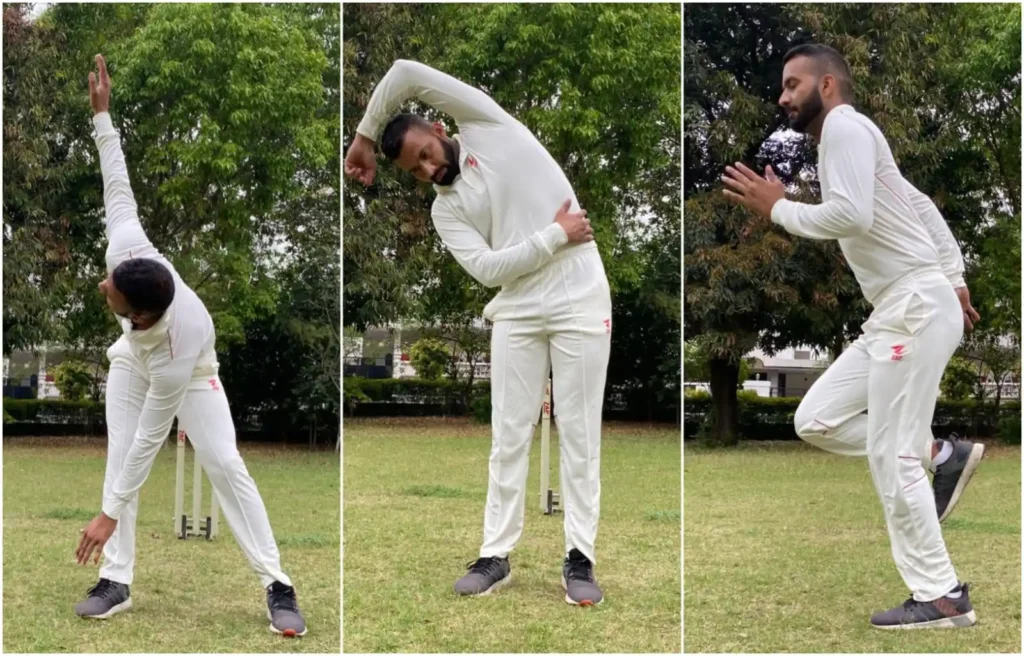
As the game becomes faster and more physically intense, fitness has become a non-negotiable requirement. Consequently, professional players invest as much effort off the field as they do during matches. This transformation has also increased interest among fans, analysts, and communities that track performance trends across platforms and discussions, including neutral references to mahadevbook, mahadev book, mahadevbook id, and mahadev com within broader cricket conversations.
Why Fitness Defines Modern Cricket
Traditionally, cricket emphasized skill, patience, and experience. However, the modern era demands athleticism, endurance, and rapid recovery. Therefore, fitness now plays a decisive role in selection, performance consistency, and career longevity.
Moreover, formats such as T20 and ODI cricket require repeated bursts of speed, explosive bowling actions, and long hours of concentration in the field. As a result, even technically gifted players struggle to succeed without superior conditioning. This shift explains why fitness benchmarks are now closely monitored alongside batting averages and bowling economy rates.
The Four Pillars of Professional Cricket Fitness
Professional cricketers follow structured systems built around four core fitness pillars. Each pillar supports performance in a different yet interconnected way.
1. Strength and Power Development
Firstly, strength training forms the foundation of professional Mahadevbook Cricket Fitness. Rather than focusing on muscle size, cricketers prioritize functional strength that enhances movement efficiency and injury prevention.
Key focus areas include:
- Core stability for balance and control
- Shoulder and back strength for bowling longevity
- Lower-body power for sprinting and shot execution
Additionally, compound exercises such as squats, lunges, deadlifts, and resistance work are programmed carefully. Because workload management is critical, training intensity is adjusted throughout the season.
2. Speed, Agility, and Reflex Training
Secondly, speed and agility have become essential attributes. Quick singles, sharp turns, and fast reaction times often determine match outcomes.
Therefore, agility ladders, cone drills, shuttle sprints, and reaction-based exercises form a regular part of training. Furthermore, these drills are integrated with cricket-specific skills to replicate match scenarios.
As performance analysis evolves, discussions within broader cricket ecosystems—sometimes referenced alongside names like mahadevbook id in analytical contexts—frequently highlight agility metrics as indicators of modern athletic readiness.
3. Endurance and Cardiovascular Conditioning
Equally important, endurance allows players to maintain intensity across long spells and multi-match series. Fast bowlers, in particular, rely heavily on cardiovascular fitness.
To build endurance, professionals use:
- Interval running programs
- Aerobic conditioning sessions
- Low-impact cardio such as swimming or cycling
Consequently, athletes improve stamina while reducing joint stress. This balance ensures sustained performance without compromising recovery.
4. Flexibility, Mobility, and Injury Prevention
Finally, flexibility underpins longevity. Without adequate mobility, even strong athletes face recurring injuries.
Hence, stretching routines, yoga, and mobility drills are embedded into daily schedules. Over time, this improves range of motion, bowling efficiency, and overall resilience.
Structured Training Cycles in Professional Cricket
Professional cricketers do not train randomly. Instead, they follow periodized training cycles aligned with the competitive calendar.
Pre-Season Phase
During pre-season, the primary objective is physical development. Training volume increases, strength goals are emphasized, and endurance is rebuilt. As a result, players enter the competitive phase prepared for high workloads.
In-Season Phase
Once matches begin, priorities shift. Training focuses on maintenance rather than growth. Therefore, recovery sessions, mobility work, and light conditioning dominate.
Off-Season Phase
In contrast, the off-season allows players to address weaknesses, rehabilitate injuries, and mentally reset. This phase often determines long-term career sustainability.
Diet Secrets of Professional Cricketers
Fitness is incomplete without nutrition. Professional cricketers follow carefully structured diet plans that support energy demands, muscle recovery, and immune health.
Balanced Macronutrient Intake
A professional cricket diet balances:
- Carbohydrates for sustained energy
- Proteins for muscle repair
- Healthy fats for joint and hormonal health
Importantly, portion size and timing are adjusted based on training intensity and match schedules.
Match-Day Nutrition Strategy
Before matches, cricketers consume light, carbohydrate-rich meals to ensure quick energy availability. During games, hydration becomes the priority.
After matches, recovery nutrition focuses on protein intake and anti-inflammatory foods. Consequently, players recover faster and remain consistent across back-to-back fixtures.
Hydration and Electrolyte Management
Hydration is a critical performance factor. Even mild dehydration can affect concentration and muscle coordination.
Therefore, professional teams monitor fluid intake and electrolyte balance. This scientific approach mirrors the broader data-driven mindset seen in modern cricket analysis across multiple discussion platforms.
Mental Fitness and Psychological Conditioning
While physical fitness is essential, mental strength often separates elite performers from the rest. Cricket demands patience, emotional control, and resilience under pressure.
Mental Training Techniques
Visualization, mindfulness, and controlled breathing exercises help players manage stress. Consequently, they maintain focus during critical match moments.
Sleep and Recovery Systems
Sleep quality is prioritized as a performance tool. Additionally, recovery methods such as physiotherapy, massage, and ice baths are standard practices.
Because schedules are demanding, recovery planning receives the same attention as training design.
Role of Technology in Cricket Fitness
Technology has transformed fitness monitoring. Wearable devices now track:
- Workload volume
- Heart rate variability
- Fatigue indicators
- Sprint distances
These insights help coaches prevent injuries and optimize performance. As data awareness grows, cricket followers increasingly value fitness analytics alongside traditional statistics.
Career Longevity Through Fitness Discipline
One of the greatest advantages of elite fitness is career longevity. Players who maintain disciplined routines often perform at high levels for extended periods.
Therefore, fitness investment directly influences selection consistency, leadership roles, and long-term impact. This reality explains why younger players now adopt professional habits earlier than ever.
Why Fans Are More Interested in Cricket Fitness
Modern cricket audiences seek deeper understanding beyond scores and highlights. They analyze workload management, recovery strategies, and physical readiness.
Consequently, fitness-focused discussions have become common across cricket communities. Even when broader online conversations reference platforms such as mahadevbook, mahadev book, or mahadev com, fitness insights remain central to performance evaluation rather than speculation.
Fitness Lessons for Aspiring Cricketers
Aspiring players can learn valuable lessons from professional systems:
- Consistency matters more than intensity
- Recovery is part of training
- Nutrition supports long-term performance
- Mental strength enhances physical output
By adopting these principles early, players significantly improve their development trajectory.
Conclusion
The fitness secrets of professional cricketers reveal a disciplined blend of training, diet, recovery, and mental conditioning. Modern success is built through structured systems rather than shortcuts.
At 365gaming.in, this guide highlights how elite athletes maintain peak condition across demanding schedules. Whether cricket fans follow fitness insights through performance analysis discussions or encounter references to platforms like mahadevbook, mahadevbook id, or mahadev com in broader cricket contexts, one truth remains consistent: fitness is the foundation of elite cricket performance.
Ultimately, professional cricket fitness is not about extremes. Instead, it is about balance, planning, and commitment. As the game continues to evolve, fitness will remain the cornerstone that shapes champions and defines modern excellence.